Opting for the best fleet maintenance solutions is not an easy task, but that doesn't mean it's not feasible for every fleet manager.
Fleet maintenance is one of the largest costs for fleets. Rightly so, because without roadworthy vehicles, the fallout and risks to your business can be catastrophic. After all, if your fleet doesn't work, it doesn't make any money.
Fear not, here are some of the best fleet maintenance solutions you can implement to drive your fleet operations and make asset management a little easier.
1. Track all fleet maintenance data electronically
Everything about your vehicle fleet should be measured and recorded in a records system or database. This article is focused on fleet maintenance, but you also need to track other metrics such as driver assignments, fuel expenses, issues, and inspections, which we'll discuss later.
In the past, fleet professionals used paper records to collect data and some ended up using spreadsheets. These tools are simply not as effective as some of the solutions we have access to today.
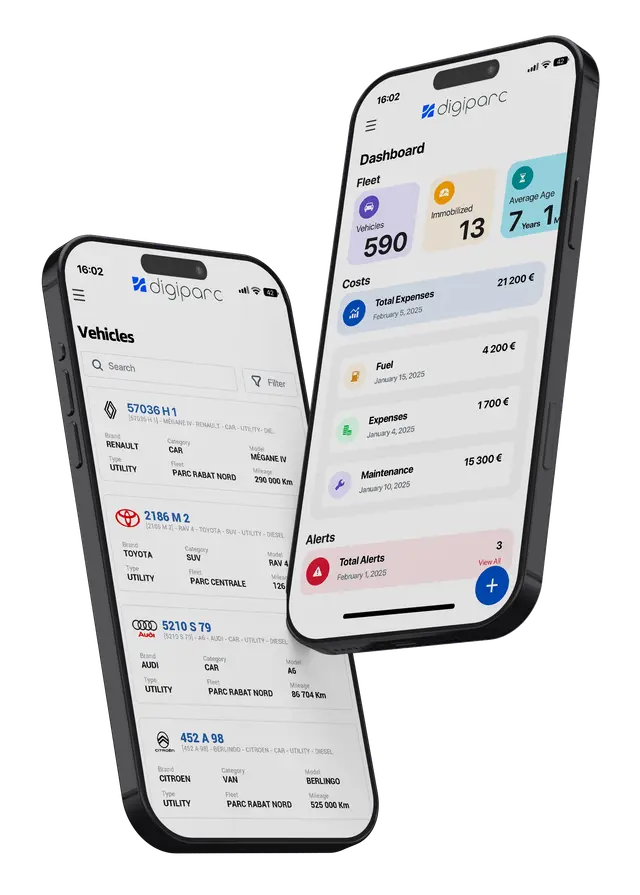
With new software advancements, we are now able to track and organize all fleet data in a comprehensive and easy-to-understand manner. Data for all your vehicle repairs, preventative maintenance programs and services should be detailed and updated regularly.
2. Set vehicle maintenance performance standards
This is perhaps one of the most overlooked yet most critical solutions for careful fleet maintenance management. Setting criteria that meet your standards is a great way to measure performance and maintain the best possible outcome.
Some factors that your fleet maintenance performance standards should include are:
- Quality control:How well did your technician or supplier maintain the vehicle? You should implement your own quality control to inspect maintenance work to ensure it meets your standards.
-
- Repair turnover rate:Is your supplier responding to maintenance requests in a timely manner or are your vehicles spending more time in the shop than necessary? Track the maintenance turnaround time to verify that it is consistent and that routine tasks, such as oil changes, do not take three to four days.
-
- Service rates:are you getting correct maintenance rates for your fleet? Don't overspend. Be sure to monitor your invoices for the prices you pay suppliers.
-
- Condition of parts:Are the parts used on your vehicles in good condition? Sometimes technicians may obtain used parts without your knowledge in order to save money.
If these factors are not consistently met, it may be time to consider other maintenance providers.
3. Inspect vehicles
Maintaining your fleet isn't the only thing you should keep an eye on. You should also track the results of your vehicle inspections. Having a proper vehicle inspection plan will allow your drivers and technicians to perform thorough pre- and post-trip inspections in a timely manner. If you implement electronic vehicle inspections, you can save up to 56% of your time compared to paper logs.
4. Create a maintenance schedule
One of the best ways to improve your fleet maintenance process is to create a schedule of all maintenance performed on your vehicles. However, manually recording invoices, creating schedules, and sifting through spreadsheets can make it difficult to keep track of maintenance, no matter the size of your fleet.
Instead, try using a preventative maintenance scheduling tool that will allow you to set maintenance reminders based on things like meter reading or specific time intervals. You can even receive notifications when vehicles need repairs quickly so you don't have to worry or waste time constantly reviewing schedules.
This will not only save you time and let you know which vehicles need attention, but will also give you some much-needed peace of mind.
5. Outsource your maintenance (if you haven't already)
Trying to manage your fleet maintenance entirely in-house can be a real hassle. Having to have all spare parts stock, tools and skilled labor available can increase your costs.
Outsourcing maintenance gives you access to competitive pricing, which reduces costs, increases your exposure to technical expertise and reduces potential vehicle downtime. Even smaller fleets can take advantage of national pricing and discounts by using fleet maintenance software like DIGIPARC.
Not to mention, you avoid risks associated with your vehicles and even potential work-related injuries. Outsourcing some (or all) of your fleet maintenance ensures that fleet managers have the resources to properly oversee other fleet operations tasks.