Published July 15, 2021
2 façons de réduire les coûts d'exploitation d'un parc automobile
1. Optimize maintenance times
Vehicle maintenance accounts for the majority of the average fleet's costs, and waiting until vehicles break down to repair them is a recipe for a huge maintenance bill. Between tow trucks, high service fees, missed warranty opportunities, and potential vehicle replacements, the cost of dealing with a breakdown on the road causes your numbers to rise quickly.
But if you develop a preventative maintenance program for your fleet, you ensure better control of the health of your vehicles and a reduced risk of unscheduled repairs and breakdowns down the road. With a preventive maintenance program, you can set ideal intervals for regular maintenance, based on age or mileage, allowing you to evaluate your vehicles on a predictable schedule and detect potentially costly problems before they arise.
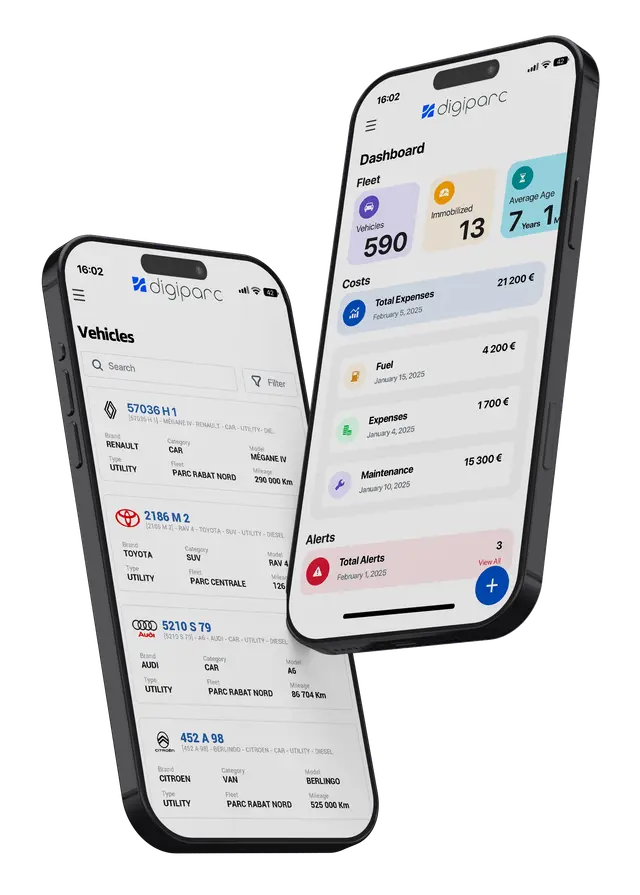
Good fleet management software will allow you to add maintenance schedules for each vehicle type and send you due notifications so you always know when your assets need to be serviced. Some even offer service shop integrations so you can quickly view and approve service requests, and you can keep drivers, technicians, and managers up to date on repairs at any time.
2. Focus on fuel
While maintenance is the biggest expense most fleets face, it is closely followed by fuel costs. While the expense itself cannot be avoided - unless you consider purchasing electric vehicles - there are ways to control fuel costs.
Fleet managers need to make sure they understand the fuel economy of each of their vehicles to ensure their assets are performing as they should. If a particular vehicle's fuel economy appears to be higher than it should be, this may indicate a potential maintenance or driver behavior problem that can be easily corrected before any long-term impact of inefficiency occurs.
Another important step to reducing fuel costs is to make sure you know exactly where and when your change is being spent at the gas station. Fuel cards are a great tool for tracking each driver's fuel purchases, but if you store and use fuel card data correctly, it can become a powerful tool against waste and theft.
When you use fleet management software, you can even integrate your fuel cards with the platform, allowing you to leverage spend data by comparing it to your vehicles' fuel consumption, cost per mile, and other important metrics. With direct integration, you don't have to worry about drivers recording receipts - you have immediate visibility of every collection.
Another important factor in monitoring fuel costs is monitoring what happens after your vehicles have been refueled. Excessive idle time and inefficient routes can be like running water down a sink only to watch it drain away, reducing the overall fuel efficiency of your fleet.
You can use integrations with your GPS and telematics devices in fleet management software to ensure that your vehicles' idle times and routes don't sacrifice valuable fuel currency. Simply streamlining the way your vehicles get to their destinations can save thousands of gallons of fuel over time.