Published February 7, 2022
Effective management means learning to save
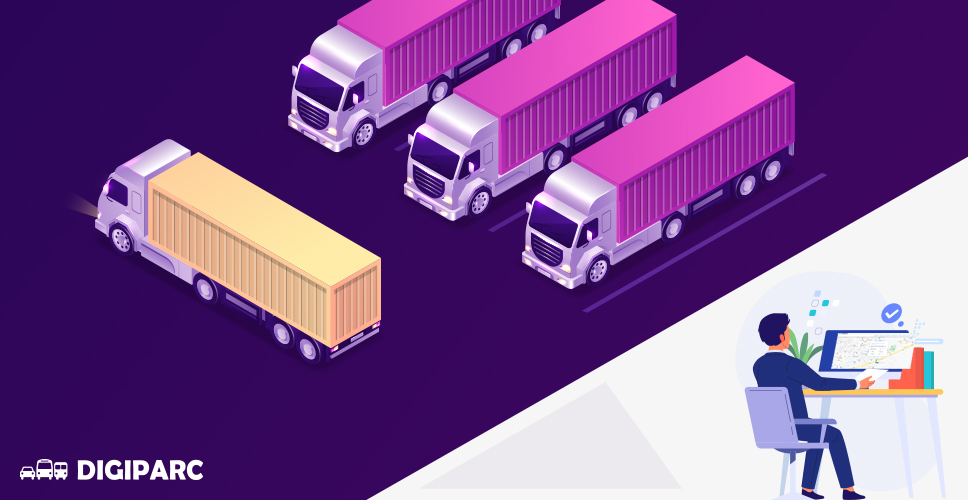
This may seem counterintuitive, but the truth is that it is entirely possible (and easier than you think) to manage your fleet efficiently, while keeping overhead costs low. Certain sustainable practices will make all the difference at the end of the month, whether you operate a large, medium or small fleet. More than ever, given the current economic context, the field of fleet management is strongly focused on cost management. Not only is cost reduction a major issue for organizations, but fleet management operators are also keen to develop and deliver market solutions and services that align with this concern.
The first step is to realize that adopting good fleet management practices can significantly reduce costs without sacrificing customer satisfaction or your own productivity. Too often, the initial obstacle is a lack of knowledge of what is available in the market, combined with a lack of time and even willingness to perform in-depth analysis, set priorities and decide what needs to change to achieve better overhead control.
I believe there are a few fundamental questions in this regard:
- Improving vehicle selection, meaning vehicle selection should include consideration of factors such as fuel efficiency and sustainability;
- Providing company vehicles to employees who really need them, because in most cases the calculations show that this is more cost-effective than reimbursement;
- Organize regular vehicle maintenance. By doing so, you will certainly reduce both fuel consumption and greenhouse gas emissions;
- Manage an adequately sized vehicle fleet for your operations, which involves objectively assessing whether you have too many or too few vehicles for your actual needs;
- Encourage the adoption of more economical and more environmentally friendly driving behavior, in particular by promoting appropriate training.
Another essential aspect is choosing a suitable and efficient vehicle tracking system, which means that it must truly meet the needs of your business. More specifically, it must be a system capable of pulling in and using the information provided by the different tracking software available - bearing in mind that the aim of such a system is to enable organizations to improve their business planning and know exactly what they can expect from their fleets.
I can assure you that if you keep in mind the points I have mentioned and combine them with the right equipment, you are guaranteed to gain much better control of your fleet, increase productivity and reduce costs.