Published February 13, 2023
What can the trucking industry expect in 2023?
Let's take a look at what's in store for the trucking industry in 2023.
Many of the factors at play in the trucking industry since the pandemic continue to evolve, and while it may be easy to view the coming year as a repeat of the same, 2023 presents potential new challenges as well as new opportunities as trends progress.
What will happen in the road transport sector in 2023?
Inflation and potential recession
The economy continues to weigh on many industry projections, and the logistics sector is no exception. The Bureau of Labor Statistics reports a 7.1% year-over-year increase in the Consumer Price Index, meaning everyone will pay more for goods and services in 2022, and interest rates have been raised several times over the last year.
Although a recession is not guaranteed, signs indicate that it is likely, and trucking fleets should prepare accordingly.
Rising vehicle costs and supply chain constraints
The current truck shortage is not going away anytime soon. According to ATS, while manufacturers are expected to meet replacement demands by 2023, the backlog of vehicle orders is so large that the industry will spend most of the year catching up on past production years. Supply chain shortages will also continue to drive up acquisition prices as part prices continue to rise.
All of this means that trucking companies may be forced to extend the life of their trucks in the short term for as long as they can. As a result, utilization rates have been and will remain at historic levels, according to Bloomberg.
Increased adoption of fleet leasing
With such uncertain demand, many fleets are turning to leasing as a way to increase their profitability by lending out the assets they aren't using. Leasing can also temporarily fill gaps for small fleets looking to expand without having to compete in today's vehicle market.
Investing in fleet data and software
Empty miles are one of the biggest threats to a trucking operation – if the truck is running without any cargo on board, the company loses money. Fortunately, fleets have a wealth of data that can help mitigate inefficiencies in your fleet management that might otherwise go unnoticed.
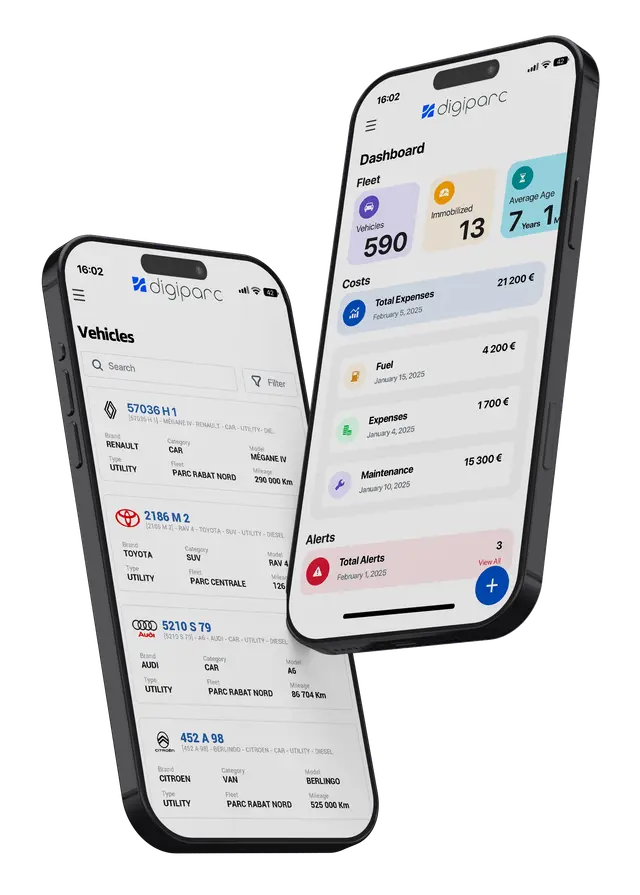
Trucking software allows many fleets to establish a closer connection between what happens on the road and the data that flows back to headquarters. Between telematics devices (on-board and off-board), fuel cards, dash cams, mobile apps, and more, data has never been more prevalent in the fleet industry, but it can easily overwhelm fleets if not used in the right way.
A good fleet software and data categorization system like VMRS can unify all of this data to give you a clear picture of your cost per trucking mile and other important metrics, which can show you where you can make improvements that will reduce your operating costs.