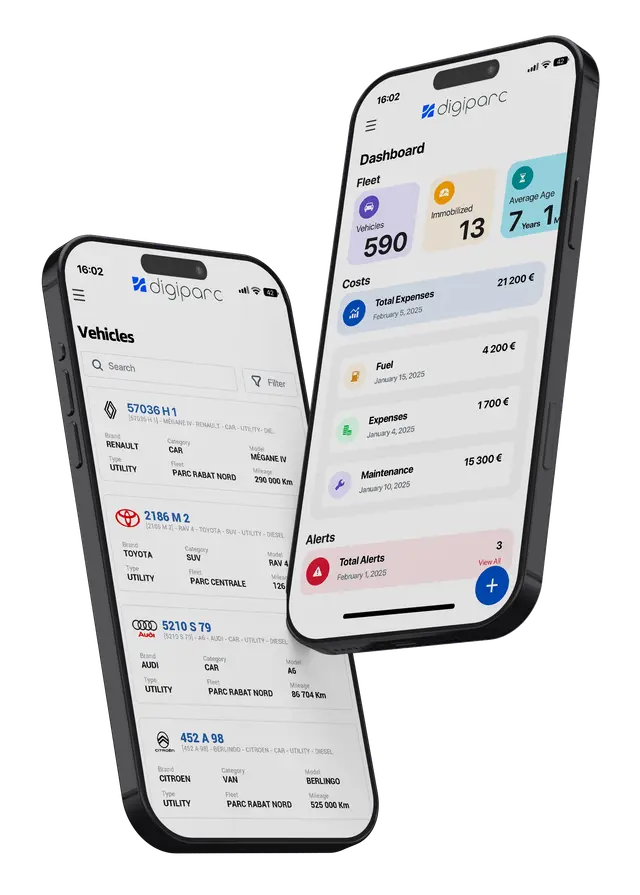
Acquiring a strong fleet management skillset is essential for professionals who want to advance in this field. Fleet management involves the efficient use of vehicles and other assets to achieve optimal performance, reduce costs and improve customer satisfaction. It requires a set of skills and knowledge, including:
Technical expertise:
Fleet managers must have a good understanding of vehicle mechanics and operation, as well as the ability to troubleshoot and resolve problems. They must also be familiar with relevant regulations and standards, such as safety and emissions requirements.
Strategic thinking:
Fleet managers must be able to think strategically and identify opportunities to reduce costs and improve efficiency. This may involve analyzing data, developing and implementing new policies and procedures, and identifying new technologies to adopt.
Communication and interpersonal skills:
Fleet managers must be able to communicate effectively with a range of stakeholders, including drivers, salespeople and customers. They must also be able to manage and motivate a team of employees.
Organizational skills:
Fleet managers must be able to manage multiple tasks and prioritize effectively in a fast-paced environment. This may include tracking and scheduling maintenance, managing inventory, and coordinating with other departments.
Budgetary and financial skills:
Fleet managers must be able to manage budgets and track expenses to ensure the fleet is operating profitably. This may involve negotiating contracts, identifying cost reduction opportunities and forecasting future spending.
To gain a strong fleet management skill set, professionals may consider pursuing formal education, such as a degree in transportation or logistics management. On-the-job training and industry certifications can also be helpful. Additionally, staying abreast of industry trends and best practices through professional development opportunities and networking can help professionals gain and maintain expertise in this area.
In summary, acquiring a strong fleet management skillset involves a combination of technical expertise, strategic thinking, communication and interpersonal skills, organizational acumen, and financial acumen. By investing in their training and professional development, professionals can advance their careers and make a significant impact on their organization.
Fleet management software can provide professionals with a range of tools and resources to help them develop and improve their skills in this area. By leveraging these tools and taking advantage of professional development opportunities, professionals can advance their careers and make a significant impact on their business.