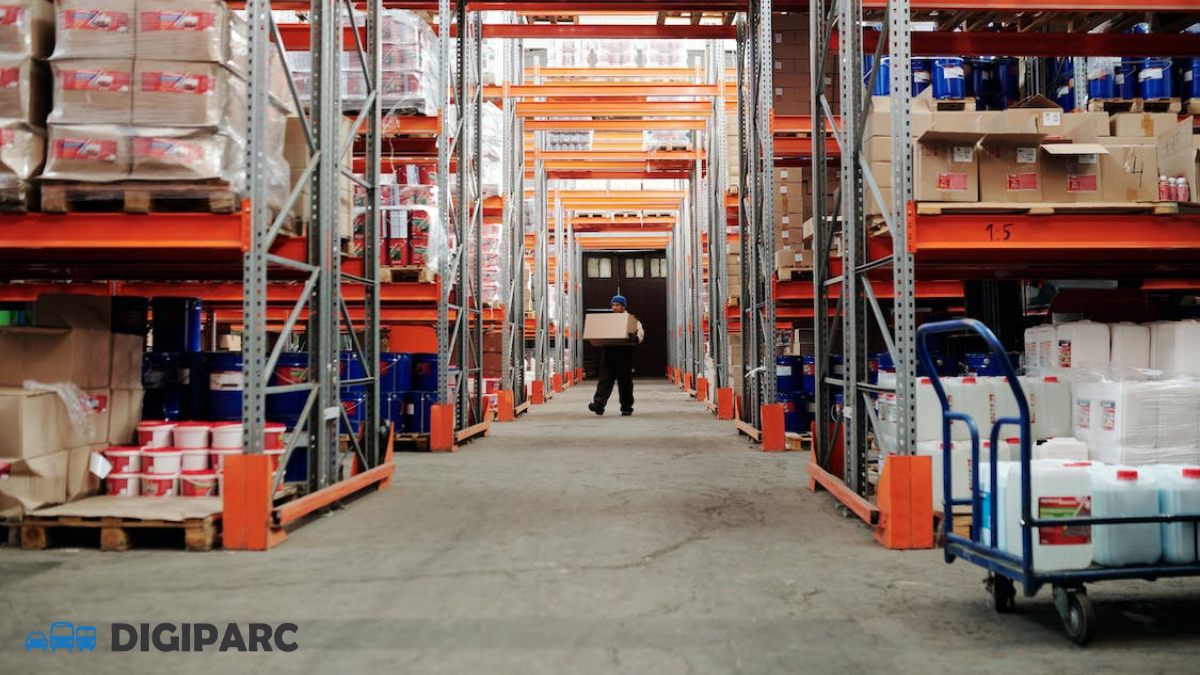
Analysis of inventory management in the logistics sector
Inventory management is a crucial aspect of the logistics industry. Effective inventory management ensures that businesses have the appropriate quantities of products to meet customer demand while avoiding costs associated with excess inventory. This article examines the importance of inventory management in logistics, the challenges businesses face in this area, and best practices for optimizing inventory management.
The importance of inventory management in logistics
Inventory management plays a vital role in the supply chain and has a significant impact on the operational and financial performance of a logistics company. Here are some reasons why effective inventory management is crucial:
-
Customer satisfaction: An adequate level of inventory ensures that products are available when customers need them. This avoids stock shortages which can lead to customer dissatisfaction and loss of sales.
-
Cost reduction: Effective inventory management helps minimize costs associated with storage, warehousing and product insurance. It also helps avoid costs related to product obsolescence.
-
Production optimization: For manufacturing companies, well-planned inventory management helps better synchronize production with demand, thereby avoiding overstocks or shortages of raw materials.
-
Cash flow: Proper inventory management balances inventory levels with available cash flow, thereby avoiding tying up financial resources in excess inventory.
-
Operational efficiency: Good inventory management facilitates better warehouse organization, smoother replenishment processes and optimal utilization of storage space.
The challenges of inventory management in logistics
Despite its importance, inventory management in logistics presents unique challenges that businesses must overcome to achieve operational efficiency. Some of the main challenges include:
-
Demand variability: Customer demand can vary significantly, making it difficult to accurately forecast necessary inventory levels.
-
Transit time: Delivery times from suppliers may vary, which may result in delays in stock replenishment.
-
Management of product diversity: Logistics companies can handle a wide range of products with different characteristics and storage requirements, requiring careful planning for each product category.
-
Logistics costs: Storage and transportation of products have costs that must be taken into account in inventory management.
-
Product obsolescence: In some industries, products can become obsolete quickly, requiring proactive inventory management to avoid obsolescence-related losses.
Best practices for optimizing inventory management
To overcome inventory management challenges in the logistics industry, businesses can adopt certain best practices:
-
Demand analysis: Use historical data and predictive analytics techniques to better understand customer demand patterns and adjust inventory levels accordingly.
-
Collaboration with suppliers: Work closely with suppliers to improve inventory visibility and coordinate replenishments.
-
Inventory Management Technology: Use computerized inventory management systems to automate replenishment processes, track inventory levels in real time and optimize orders.
-
Product segmentation: Divide products into categories based on their rotation and demand to apply inventory management strategies tailored to each category.
-
Just in time (JIT): Use the JIT philosophy to minimize inventory levels and reduce costs while meeting customer needs in a timely manner.
-
Performance Monitoring: Establish key performance indicators (KPIs) to track inventory management performance and identify potential areas for improvement.
In conclusion, inventory management is a critical aspect of the logistics industry. Effective inventory management helps improve customer satisfaction, reduce costs, optimize production, maintain healthy cash flow and increase operational efficiency. To address inventory management challenges, businesses can adopt best practices such as analyzing demand, collaborating with suppliers, using inventory management technology, and applying the just-in-time philosophy. By integrating these approaches into their inventory management strategy, logistics companies can improve their overall performance and gain a competitive advantage in the market.