Published November 19, 2020
Find out the reasons for vehicle downtime and how to avoid it

Whether it's a vehicle breakdown or a collision, downtime is inevitable when it comes to service fleets. Even vehicles with effective preventive maintenance programs include additional costs when drivers cannot perform their duties properly.
Breakdown of Downtime Costs
Fleet costs can be divided into two categories: fixed costs and variable costs. Fixed costs are standard fleet operating expenses, such as fuel, preventative maintenance and insurance. Indirect costs are less obvious and more difficult to predict.
When a driver and their vehicle are out of service, the cost of downtime can quickly result in a significant increase in a fleet's operating budget. But it is difficult to accurately predict capital costs.
Reduced downtime
Reducing downtime is essential to saving money and maintaining your fleet:
- Optimize the number of vehicles needed to keep your fleet running smoothly. This will help increase the percentage of vehicle usage time.
- With proper planning and preventative maintenance, downtime costs can often be avoided. Even small changes can make a big difference financially.
- Take advantage of numerous fleet technologies that provide real-time information and data. These various solutions can help improve vehicle maintenance, service scheduling and uptime by identifying problems before they become serious.
- Implement a GPS fleet tracking system to detect how a vehicle is driven and provide up-to-the-minute information on things like traffic and fuel consumption. This can help optimize and change routes as needed, as well as see where you're wasting fuel.
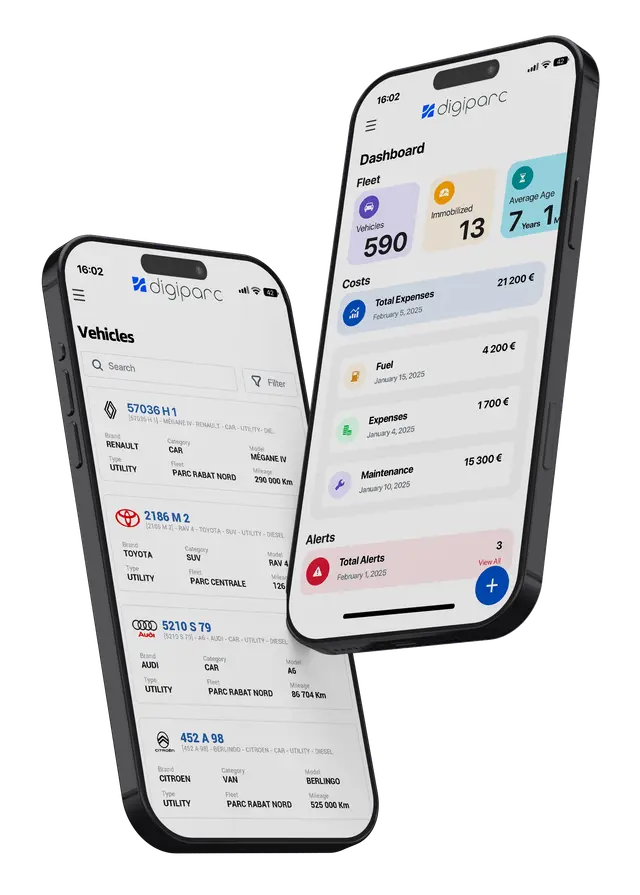
Fleet operating budgets are tight. Time spent on the shop floor, rather than on the road, can lead to lost sales and less time spent with customers, resulting in lower bottom lines. To help you keep your fleet and drivers productive, learn more about DIGIPARC’s fleet management solutions.