Published September 13, 2023
Geolocation and fleet management for transport safety in seismic zones
Seismic zones present particular transportation safety challenges. Earthquakes can cause significant damage to road, rail and port infrastructure, endangering the lives of travelers and the economic stability of affected regions. To mitigate these risks, it is crucial to implement advanced fleet management and geolocation systems to ensure transportation safety in these sensitive areas. In this article, we will explore the importance of geolocation and fleet management for transportation safety in seismic zones, highlighting the benefits, challenges and possible solutions.
I. The challenges of transport in seismic zones
-
Infrastructure vulnerabilityEarthquakes can cause serious damage to transportation infrastructure, including roads, bridges, tunnels and railways. Cracked roads, collapsed bridges and blocked tunnels make travel dangerous or impossible.
-
Passenger safety Shakingearthquakes can endanger the lives of passengers and drivers. Vehicles in motion when an earthquake occurs are particularly vulnerable to accidents and property damage.
-
Crisis management Authoritiesmust be able to respond quickly to seismic disasters by coordinating relief and repair operations. This requires real-time visibility into the position and status of transport vehicles.
II. Geolocation as a security tool
-
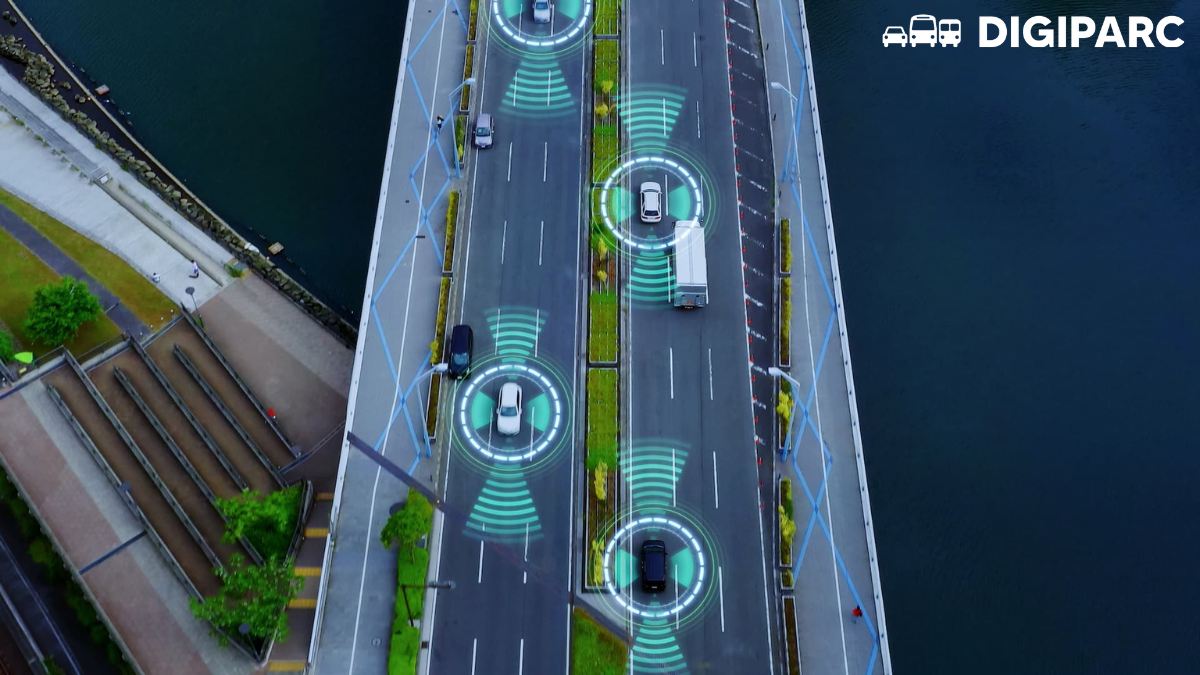
Real-time tracking Geolocationallows you to track the exact position of vehicles in real time. This allows authorities to monitor the movements of transport vehicles, ensure they avoid risky areas during an earthquake and effectively coordinate relief operations.
-
Route management SystemsGeolocation sensors can calculate alternative routes in the event of a seismic emergency, avoiding areas likely to suffer significant damage. This helps minimize risks for passengers and drivers.
-
Real-time communicationGeolocation also enables real-time communication between drivers and fleet management authorities. Drivers can receive instant alerts and instructions to keep themselves and their passengers safe.
III. Fleet management for an effective response
-
Preventive planning Managementfleet management allows transport companies to put in place preventive emergency plans. This includes regularly inspecting vehicles to ensure they are in good working order and training staff on earthquake safety.
-
Emergency responseIn the event of an earthquake disaster, fleet management facilitates the rapid mobilization of resources. Transportation companies can deploy their rescue and repair vehicles to affected areas, while maintaining visibility into their location and condition.
-
Integration with authoritiesFleet management can be integrated into local authority disaster management systems. This allows for effective coordination between transport operations and government-led relief operations.
IV. Emerging technologies for safety in seismic zones
-
Shake sensors Integration of shake sensorsin vehicles can enable early detection of earthquakes. Geolocation systems can then automatically trigger safety measures, such as stopping vehicles.
-
Artificial intelligence (AI) for earthquake predictionAI can be used to analyze seismic data and predict earthquakes with greater accuracy. This would allow authorities to take more effective preventive measures to protect transport.
-
Autonomous vehicles VehiclesAutonomous earthquakes can be designed to respond autonomously to earthquakes by slowing down or stopping safely. They can also be programmed to avoid risky areas during a shake.
Geolocation and fleet management play a crucial role in transport safety in seismic zones. These technologies enable faster and more efficient response to seismic disasters, thereby minimizing risks to passengers and drivers. As technologies evolve, it is essential that transport companies and local authorities invest in these solutions to protect lives and infrastructure in seismic risk areas. Transport safety in seismic zones should not be taken lightly, and geolocation and fleet management offer concrete ways to strengthen this safety.