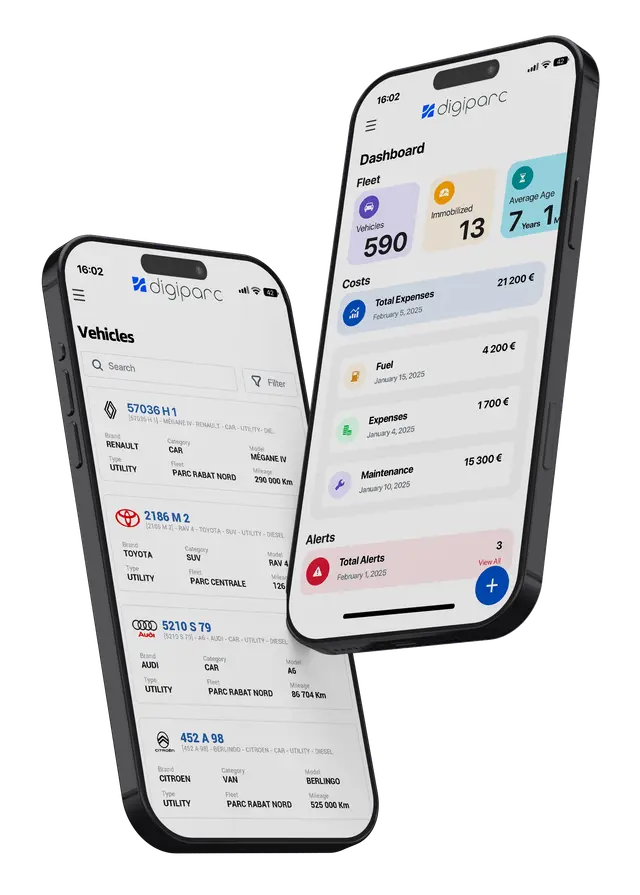
The transportation and logistics industry is booming thanks to digital innovation. Technological advances, such as artificial intelligence, blockchain, Internet of Things (IoT), and automation, are fundamentally transforming how businesses manage operations, optimize supply chains, and improve overall efficiency.
The growing adoption of digitalization in logistics and transportation has helped address some of the most complex challenges the industry has faced for decades. Here's how digital innovation is revolutionizing this key sector of the economy.
1. Improved Traceability and Visibility
Thanks to IoT and real-time data collection, businesses can now track their shipments and have full visibility into their logistics operations. Smart sensors are integrated into containers, vehicles and products to monitor their position, condition and performance throughout their journey. This allows businesses to quickly detect potential issues, anticipate delays and make informed decisions to avoid disruptions in the supply chain.
2. Optimization of Routes and Transport Flows
AI and big data technologies are used to analyze huge amounts of data and optimize transportation routes and flows. Intelligent algorithms take into account factors such as distance, weather conditions, traffic congestion, weight and height restrictions, and customer preferences to provide faster, safer and more economical routes. This allows companies to reduce transportation costs, minimize their environmental impact and improve customer satisfaction by meeting delivery times.
3. Automation of Warehouses and Logistics Processes
Warehouse automation has become a reality through the use of autonomous robots, intelligent sorting systems and advanced tracking technologies. Logistics operations, such as loading, unloading, inventory and order processing, can now be carried out with increased precision and maximum efficiency. Automation reduces human errors, speeds up order processing, and allows businesses to handle much higher volumes of merchandise than before.
4. Collaboration and Real-Time Data Sharing
Digital platforms enable real-time collaboration between different players in the supply chain, including suppliers, carriers, warehouses and customers. Transparent data sharing enables faster and more accurate decision-making. Information is accessible to all stakeholders, which reduces communication delays, avoids redundancies and improves overall coordination.
5. Reduction of Environmental Impact
Digital innovation also plays a vital role in reducing the environmental impact of transport and logistics. Route optimization solutions help reduce greenhouse gas emissions and fuel consumption. Using smart containers and sensors to monitor environmental conditions ensures that sensitive products remain in appropriate conditions during transport. By adopting sustainable practices enabled by digitalization, businesses can align with global sustainability goals and strengthen their responsible brand image.
6. Predictive Analysis and Risk Management
AI and advanced analytical technologies enable predictive analysis of trends and risks in logistics and transportation. Predictive models help businesses anticipate fluctuations in demand, potential supply chain disruptions and capacity shortages. This allows businesses to prepare for future challenges and put more effective risk mitigation plans in place.