All posts
Published October 12, 2023
Published October 12, 2023

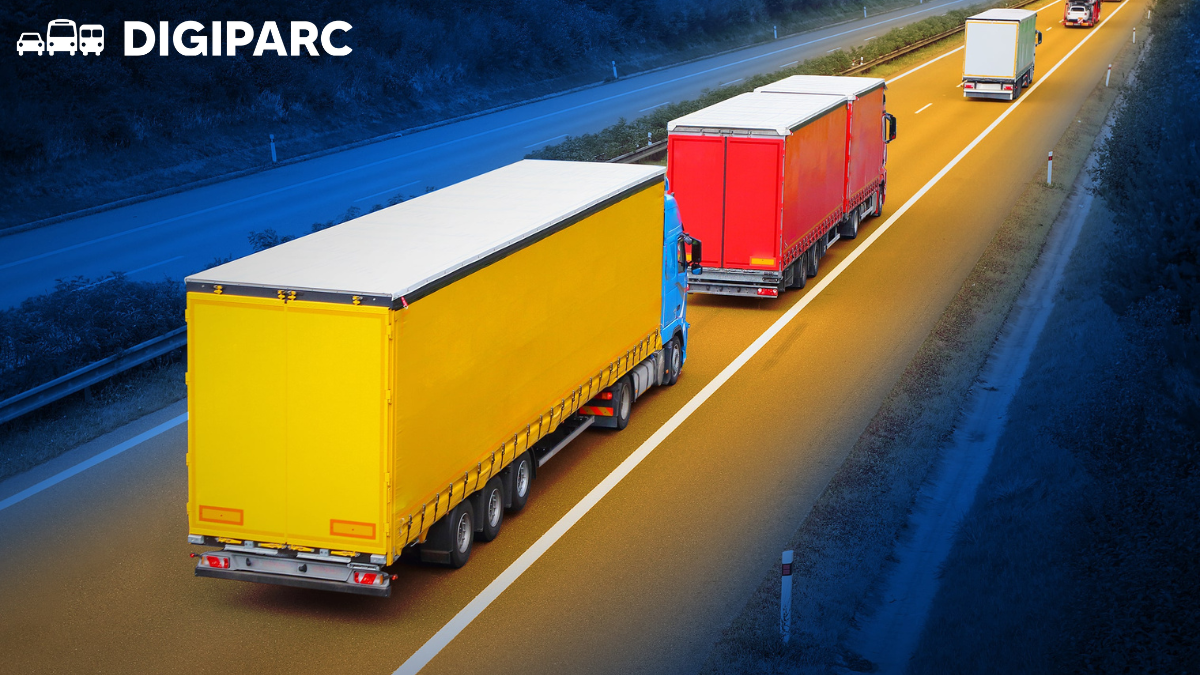
Road transport is an essential element of our modern societies, allowing people and goods to be moved over short and long distances. However, it is also responsible for a significant portion of global energy consumption and greenhouse gas emissions. To face these environmental and economic challenges, many players in the transport sector are looking for alternatives to traditional fossil fuels. This article explores the benefits and challenges of alternative fuels in road transportation, with a focus on reducing energy consumption and greenhouse gas emissions.
The energy challenges of road transport
Road transport relies primarily on two types of fossil fuels: gasoline and diesel. These fuels are responsible for the majority of transport-related carbon dioxide (CO2) emissions. Consequently, it is imperative to reduce the consumption of these fuels to mitigate the environmental impact of the sector.
Several energy challenges arise in the context of road transport:
1. Dependence on fossil fuels:Road transport still relies heavily on fossil fuels due to their availability, energy efficiency and relatively low cost.
2. Greenhouse gas emissions:CO2 emissions from road vehicles are a major concern when it comes to climate change. Reducing these emissions is essential to meeting global greenhouse gas reduction targets.
3. Resource depletion:Reserves of oil, gasoline and diesel are not inexhaustible. Price fluctuations and competition for access to these resources can impact global economic stability.
The benefits of alternative fuels
Alternative fuels are promising solutions to solve the energy challenges of road transport. They offer several significant advantages, including:
1. Reduction of greenhouse gas emissions:Alternative fuels, such as natural gas, propane, hydrogen and biofuels, generate fewer CO2 emissions per unit of energy produced compared to fossil fuels.
2. Diversification of energy sources:Alternative fuels diversify the energy supply by using renewable or less polluting resources. For example, biogas can be produced from organic waste, while hydrogen can be obtained through clean technologies.
3. Reducing dependence on fossil fuels:By investing in alternative fuels, transportation companies can reduce their reliance on oil and natural gas imports, making them less vulnerable to price fluctuations and shortages.
4. Better energy efficiency:Some alternative fuels, such as natural gas, offer better fuel efficiency than gasoline or diesel. This means they allow vehicles to travel more miles on the same amount of energy.
5. Improved air quality:Alternative fuels generate fewer harmful air pollutants, which helps improve air quality in urban areas and reduce health problems linked to air pollution.
The challenges to be met
Despite these benefits, the adoption of alternative fuels in road transportation is not without challenges. Here are some of the obstacles that need to be overcome:
1. Inadequate infrastructure:Vehicles running on alternative fuels require specific infrastructure for distribution and refueling. Setting up these infrastructures can be costly and time consuming.
2. High upfront costs:Vehicles running on hydrogen or electricity are often more expensive to purchase than traditional vehicles. Although costs may decrease in the long term, the initial investment remains an obstacle.