All posts
Published January 10, 2023
Published January 10, 2023

-(1).jpg "Les meilleures pratiques pour la gestion des tâches administratives liées à la flotte de véhicules")
Managing your company's vehicle fleet includes many administrative tasks that can be complicated and time-consuming if not managed effectively. Best practices for managing these administrative tasks can help improve your business efficiency and reduce fleet costs.
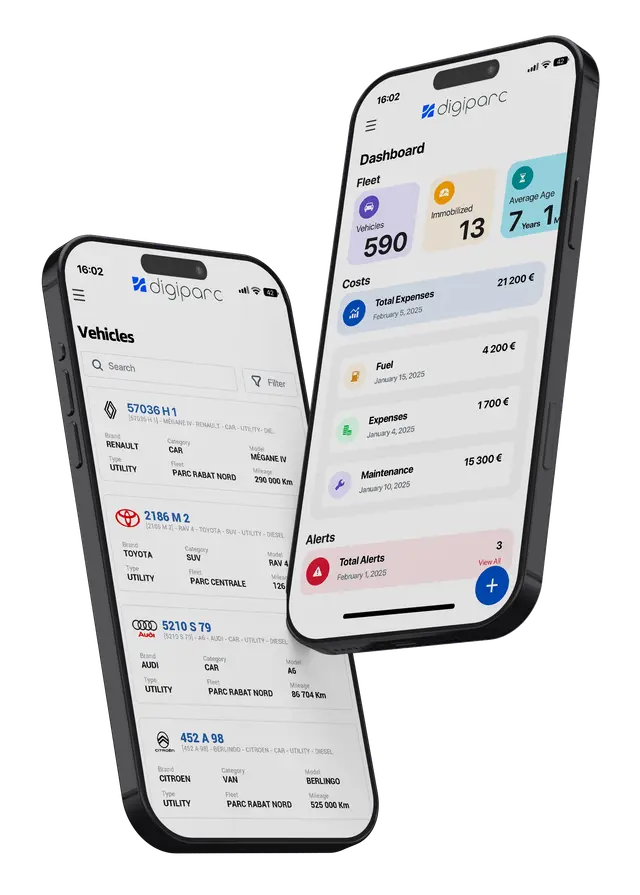
First of all, it is important to set up a vehicle tracking system. This may include information such as registration number, mileage, date of purchase and maintenance costs. This may also include information about drivers, such as their contact details and the vehicles they use.
It is also important to have a maintenance scheduling system in place to ensure vehicle safety and reliability. This can include things like oil changes, brake checks, and suspension checks. It is important to ensure that these services are carried out regularly and that the vehicles are in good condition before being used.
Managing fleet costs is also important. This can include things like managing fuel, tires and driver expenses. It is important to track these costs and analyze them to identify savings opportunities.
It is also important to have rules and policies in place for fleet vehicle drivers. This can include things like speed limits, safe driving rules, and safe driving policies. It is important to ensure that drivers understand these rules and follow them effectively.
Communication is also an important part of vehicle fleet management. It is important to communicate effectively with drivers, mechanics and other company employees to ensure everyone is up to date with the latest information and updates.
Finally, it is important to set up a monitoring and reporting system to monitor the performance of the vehicle fleet. This can include things like maintenance costs, fuel costs and driver performance.