All posts
Published September 19, 2023
Published September 19, 2023


Driver Scheduling: What to Consider and How to Optimize
Effective vehicle fleet management is a constant challenge for many businesses. Among the essential aspects of this management, driver scheduling occupies a central place. It plays a crucial role in operational efficiency, cost reduction and customer satisfaction. In this article, we'll explore the key elements to consider when scheduling drivers and how to optimize this process to achieve the best results.
The challenges of driver planning
Driver scheduling is a complex process that can have a significant impact on a company's operations. Here are some of the top issues fleet managers and driver schedulers face:
1. Driver availability
Driver availability is one of the major planning challenges. Variations in demand, holidays, illnesses and other factors can make it difficult to build a team of drivers who are always available.
2. Journey efficiency
Journey optimization is crucial to minimize kilometers traveled, save fuel and reduce CO2 emissions. Effective planning can consolidate deliveries, avoid duplication and minimize downtime.
3. Regulatory compliance
Compliance with local, national and international regulations is essential to avoid penalties and maintain safety on the road. Planners must consider driving times, rest periods and other specific rules.
4. Customer satisfaction
Poor planning can lead to delivery delays, which can directly impact customer satisfaction. The ability to meet agreed delivery times is a key factor in customer loyalty.
How to optimize driver scheduling
To address these challenges, it is essential to adopt advanced planning methods and modern technologies. Here are some strategies to optimize driver scheduling:
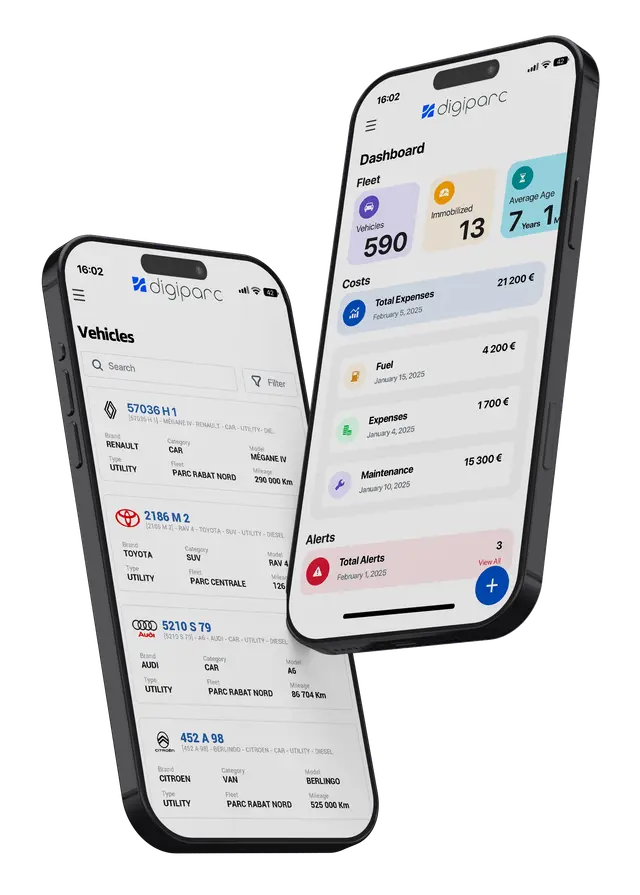
1. Using fleet management software
Fleet management software provides powerful tools for driver scheduling. They make it possible to track the location of vehicles in real time, optimize journeys, manage driving times and guarantee regulatory compliance.