All posts

Published November 13, 2025

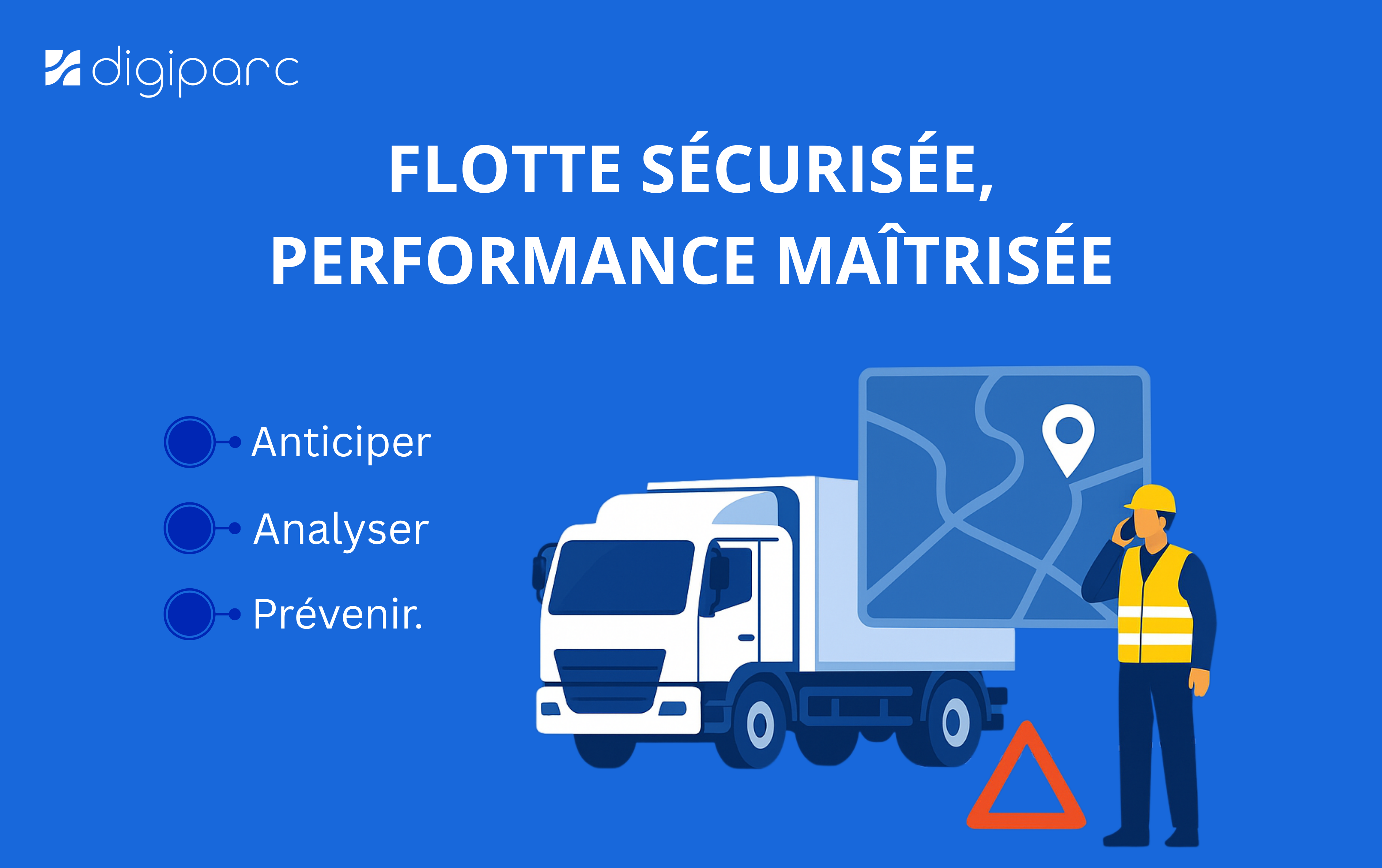
Road safety & incident management: how to reduce accidents and protect your drivers in 2025

In transport and fleet management, performance is not only measured in costs, times and kilometers.
Security has become a strategic KPI.

An accident, even a minor one, can be very expensive:

  • ⬝ Immobilization of the vehicle
  • ⬝ Caring for an injured driver
  • ⬝ Customer delays
  • ⬝ Increase in insurance premiums
  • ⬝ Deterioration of the company’s image

And often, the hidden cost far exceeds the mechanical repair.

In 2025, faced with the intensification of traffic, the increase in logistics volumes and the pressure on deadlines,Putting safety at the heart of your fleet management is no longer a choice: it is a necessity.

Why fleet safety is a strategic issue

A high-performance fleet is not the one that drives the fastest, butthe one who drives the longest in safety.

The most advanced companies observe 3 major benefits:

✅ Cost reduction

  • ⬝ Reduction in accident and insurance expenses
  • ⬝ Fewer unplanned downtimes
  • ⬝ Maintained maintenance (brakes, tires, shock absorbers)

✅ Operational gain

  • ⬝ Higher vehicle availability rate
  • ⬝ Improved punctuality
  • ⬝ Fewer customer disputes

✅ Image & compliance

  • ⬝ Quality certification, safety audits
  • ⬝ Use attractiveness (driver retention)
  • ⬝ Trust of order givers

Security is a competitive advantage.

Main causes of fleet losses

The majority of incidents arise from preventable factors. The most common are:

  • ⬝ Fatigue linked to poor tour planning
  • ⬝ Speeding and aggressive driving
  • ⬝ Sudden braking and poor anticipation
  • ⬝ Stress linked to deadlines and customer constraints
  • ⬝ Insufficient or unscheduled maintenance
  • ⬝ Poor distribution of loads or non-compliant equipment

These causes show that an accident is never the result of chance: it results from a system of organization that can be improved.

Essential indicators for managing security

To progress, you have to measure. Some key indicators to follow:

  • ⬝ Number of incidents compared to the number of kilometers traveled
  • ⬝ Evolution of driving behavior (acceleration, braking, speed)
  • ⬝ Hours of driving without breaks
  • ⬝ Average cost of an incident
  • ⬝ Downtime after accident
  • ⬝ Evolution of insurance premiums

A simple and regularly monitored dashboard brings significant gains.

Five-step incident management protocol

To reduce impacts and learn from each situation, it is essential to have a clear process. Here are the key steps:

  • ⬝ Secure the driver and the area
  • ⬝ Inform the fleet manager immediately
  • ⬝ Collect information (photos, location, witnesses, driving data)
  • ⬝ Report the incident to the insurance company and the company
  • ⬝ Analyze the cause and implement corrective actions

The right reflex: transform an incident into an opportunity for continuous improvement.

How Digiparc supports fleet security

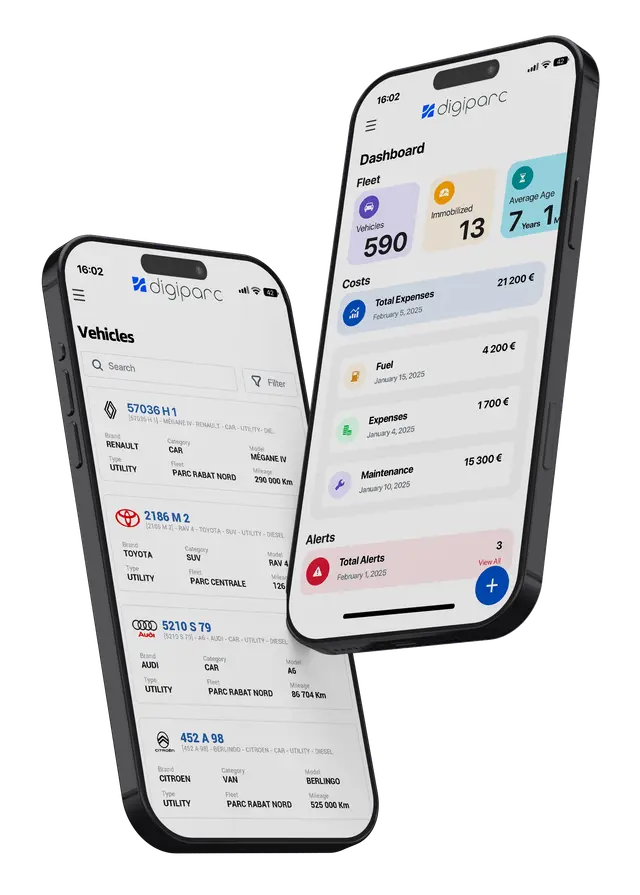
A fleet management solution like Digiparc allows:

  • ⬝ Monitoring driving behaviors
  • ⬝ Analysis of routes and risk areas
  • ⬝ Preventative maintenance planning
  • ⬝ Monitoring of incidents and interventions
  • ⬝ Centralization of driver and vehicle data
  • ⬝ Management via personalized security reports

By structuring information and providing visibility, you make decisions that reduce risks and protect your teams.

Conclusion

Security is not a cost, but an investment.
It is a lever of sustainable performance, a fundamental human factor and a pillar of credibility in the transport and logistics sector.

Find out how companies optimize their fleet security on a daily basis.

Ask for concrete feedback and a demonstration of the tools.